Have you ever wondered what is convection oven and why it is so popular? Convection ovens use a fan to circulate hot air. This helps food cook faster and more evenly than a regular oven. You can bake, roast, or reheat easily. In this guide, you will learn the definition, history, types, uses, advantages, and safe utensils. It is perfect for beginners who want simple cooking tips.
What Is Convection Oven? – Simple Definition
A convection oven is an oven that uses a fan to push hot air around the food. This moving air helps the food cook faster and more evenly. In a regular oven, the heat stays still, so some parts may cook slower. But a convection oven spreads the heat in every corner. Compared to other types of oven, this gives you better browning, crisp texture, and steady results in daily cooking.
History of Convection Oven (From Invention to Modern)
Convection ovens have been around for many years and have slowly improved with new technology. Their journey shows how a simple idea turned into a popular cooking method in modern homes.
Early Development:
The idea of using a fan inside an oven began in the early stages of convection ovens in the 1900s. Real progress started in 1945 when a fan-based oven reached practical use.
Modern Evolution:
In the 2000s, convection designs improved quickly. Early air fryers also helped bring hot-air cooking into everyday kitchens.
Home Use Growth:
By the late 2010s, convection ovens and air fryers became common in many homes. More families chose them for fast, even, and energy-saving cooking.
How Does a Convection Oven Works?
A convection oven uses moving hot air to cook food quickly and evenly. It keeps the heat steady, so every part of your dish cooks the same way.
Hot Air Circulation
The fan and heating elements work together to create steady airflow. The hot air moves around the food, so it cooks faster and gets an even, golden finish.
Main Parts of a Convection Oven
- Heating elements: They create the heat for cooking.
- Fan: It pushes the hot air in all directions.
- Exhaust vent: It keeps the airflow smooth and prevents extra moisture inside.
Features of Convection Oven
A convection oven comes with simple features that make cooking easier for beginners. These tools help you bake, roast, and reheat with less effort.
- Multi-function cooking: You can bake, roast, toast, or reheat with one appliance.
- Timer with auto shut-off: It stops cooking on its own, so your food stays safe.
- Adjustable temperature: You can control the heat based on the recipe.
- Digital display (in many models): It shows time, temperature, and modes clearly.
- Useful presets: They make tasks like cookies, pizza, or chicken faster for beginners.
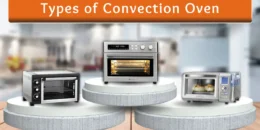
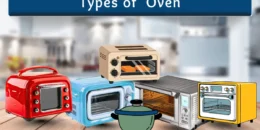
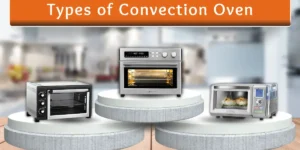
Types of Convection Ovens
Convection ovens come in different styles, and each one works in its own way. These types help you choose the right model for your cooking needs.
1. Regular Convection Oven
This oven uses one fan and a heating element to move hot air. It gives even cooking and works well for most homes.
2. True / European Convection Oven
This type has extra fans and heating elements. It gives more steady heat and offers professional-style results.
3. Convection Microwave Oven
This oven mixes microwave speed with convection airflow. It cooks fast, browns the food well, and fits best in small kitchens.
4. Convection Toaster Oven
This is a compact countertop option with a built-in fan. It bakes and roasts faster and is perfect for quick meals or small portions.
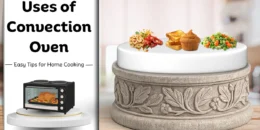
Uses of Convection Oven
A convection oven helps with many daily tasks, from baking to reheating. When you learn the main uses of convection oven, you cook faster and get more even results in less effort.
Baking
It bakes cookies, muffins, and pies with great texture. The moving hot air gives you even color and crisp edges.
Roasting
It roasts chicken, vegetables, and meat quickly. The steady airflow helps the outside brown while keeping the inside juicy.
Reheating
It warms leftovers without drying them out. The heat spreads evenly, so food stays soft and fresh.
When Not to Use Convection
- Avoid delicate desserts like sponge cakes, soufflés, and custards.
- They may rise unevenly in strong airflow.
- Use regular bake mode for soft or airy recipes.
Convection Oven Safe Utensils
You need the right utensils to cook safely in a convection oven. These materials handle high heat well and help your food cook evenly. Here is the list of safe cookware for convection oven:
Metal trays and pans:
Aluminum or stainless steel heats fast and cooks food evenly.
Oven-safe glass:
It works well for casseroles and bakes. Just avoid sudden temperature changes.
Ceramic bakeware:
It holds heat for a long time and cooks slowly and steadily.
Silicone molds or mats:
They handle high heat and help release baked goods easily.
Avoid plastic:
It melts in high heat and is unsafe for any oven.
See also:
Some of these utensils are also safe for microwaves. See our microwave oven utensils guide for more tips.
Advantages and Disadvantages of Convection Oven
Before you buy one, it helps to know the pros and cons of convection oven. This quick comparison shows what you gain and what you may need to adjust in daily cooking.
Advantages
- Cooks food faster and saves time.
- Uses less energy in most recipes.
- Browns and crisps food more evenly.
- Works for baking, roasting, and reheating.
- Helps maintain steady, balanced heat.
Disadvantages
- Not suitable for delicate cakes or soufflés.
- Often needs lower temperature than regular ovens.
- Some recipes need small timing changes.
- Costs more than basic ovens.
- Fan noise may bother some users.
Conclusion
So, guys, now let’s conclude this topic. We have covered in detail what is convection oven and how it helps in daily cooking. You now know it’s working, features, types, and safe utensils. A convection oven can make home cooking faster and easier for beginners. If this guide helped you, share it with others or leave a comment below.
FAQs About Convection Ovens
Many beginners have simple questions about convection ovens. These FAQs will help you understand how they work and how to use them correctly at home.
What is the difference between convection and conventional ovens?
A convection oven uses a fan to move hot air around the food. This airflow cooks food faster and more evenly. A conventional oven does not have a fan, so the heat stays still. Because of this, some spots may cook slower. Convection gives you more consistent results.
Does a convection oven cook faster than regular ovens?
Yes, a convection oven cooks faster. The moving air speeds up heat transfer. Your food reaches the right temperature in less time. Most dishes finish 20–25% quicker. This also helps you save energy in daily cooking.
Can I bake everything in convection mode?
No, not everything works well in convection mode. It is great for cookies, pies, roasted meats, and vegetables. But light cakes and delicate desserts can dry out. These recipes need still heat to rise properly. For soft or airy desserts, use regular bake mode.
Which foods should I NOT cook in convection mode?
Avoid cooking sponge cakes, soufflés, custards, or cheesecakes in convection mode. The strong air movement can make them fall flat. It may also dry out batters that need gentle heat. Use conventional mode for these foods.
Can I convert a regular recipe to convection baking?
Yes, you can convert most recipes easily. Lower the temperature by about 25°F. Also, check the food earlier because it may finish faster. Keep an eye on browning, as convection adds crispness. With a little practice, conversions feel simple.
How much should I lower the temperature for convection baking?
A common rule is to reduce the oven temperature by 25°F. This helps prevent over-browning. It also keeps the texture soft while still cooking the food quickly. Some ovens do this automatically when you choose convection mode. If yours does not, adjust it manually.
Is a convection oven safe for all utensils?
No, only oven-safe utensils should be used. Metal pans, glassware, and ceramic dishes work well. Silicone molds are also safe. Avoid plastic or microwave-only containers. They can melt or release harmful chemicals at high heat.
How do I clean a convection oven easily?
Let the oven cool completely before cleaning. Wipe loose crumbs first. Then use warm, soapy water or a mild cleaner on the inside walls. Avoid spraying directly on heating elements or fans.
Are convection microwave ovens energy efficient?
Yes, most convection microwaves use less energy. They cook faster and heat food more evenly. The fan helps reduce cooking time, so the appliance stays on for a shorter period. This saves electricity.