Do you want crisp, evenly cooked meals every time? A convection oven makes this possible. It circulates hot air to cook food quickly and thoroughly. In this guide, we will cover the top uses of convection oven in daily cooking. You will learn easy ways to bake, roast, and reheat food like a pro.
What Are the Main Uses of Convection Oven
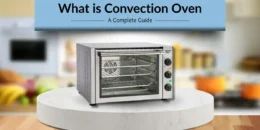
A convection oven is a type of oven that makes cooking faster and more even. It helps you bake, roast, and reheat food perfectly every time.
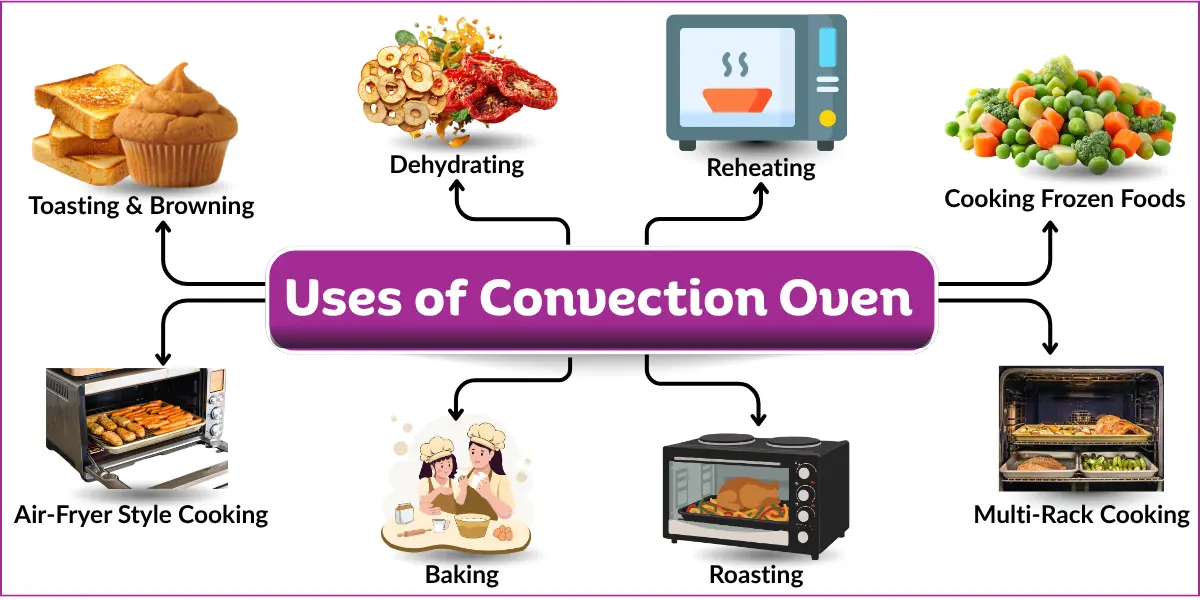
Here are the most practical everyday uses.
- Baking
- Roasting
- Air-Fryer Style Cooking
- Reheating Food
- Toasting & Browning
- Cooking Frozen Foods
- Dehydrating (Optional)
- Multi-Rack Cooking
Let’s dive deeper into each use and see how you can cook like a pro.
Baking
A convection oven makes baking simple and reliable. It spreads heat evenly, so cookies, muffins, and bread bake perfectly every time. You don’t have to guess the temperature or worry about uneven browning.
Tips for baking with a convection oven:
- Bake cookies and muffins on multiple racks without burning.
- Roast bread or pastries to get a golden, crisp crust.
- Use lower temperature than regular ovens for delicate baked goods.
Roasting
A convection oven is perfect for roasting meat and vegetables evenly. The fan circulates hot air, giving a crispy outside and juicy inside. Roasting is faster, and you get a nice golden color without extra oil.
Tips for roasting with a convection oven:
- Roast chicken, turkey, or fish for even cooking on all sides.
- Cook vegetables like carrots, potatoes, or bell peppers until tender and caramelized.
- Use a roasting pan with a rack to let hot air circulate freely.
Air-Fryer Style Cooking
A convection oven can mimic air fryer cooking, giving you crispy food without deep frying. It circulates hot air quickly, so fries, nuggets, and wings cook evenly. You get that golden crunch with much less oil, making meals healthier and faster.
Tips for air-fryer style cooking:
- Cook French fries, chicken wings, or tater tots for a crisp finish.
- Use a light spray of oil to enhance browning without extra calories.
- Arrange food in a single layer for even crispiness on all sides.
Reheating Food
A convection oven makes reheating food quick and even. Unlike a microwave, it keeps food crispy and prevents sogginess. Pizza, leftovers, or baked dishes taste fresh and delicious, almost like just-cooked.
Tips for reheating with a convection oven:
- Warm pizza slices to keep the crust crispy.
- Reheat roasted vegetables without making them soggy.
- Heat casseroles evenly so the center is warm and the edges aren’t dry.
- Use foil lightly to prevent over-browning on top of baked dishes.
Toasting & Browning
A convection oven is excellent for toasting and browning food evenly. It gives bread, cheese, and baked dishes a golden, crispy finish. You can enhance flavor and texture without overcooking or burning.
Tips for toasting & browning with a convection oven:
- Toast bread slices or bagels for a perfect crunch.
- Brown cheese on casseroles or nachos evenly.
- Give muffins and pastries a golden top without drying them out.
- Use a baking tray at the right height for consistent browning.
Cooking Frozen Foods
A convection oven makes cooking frozen foods fast and easy. It heats evenly, so frozen meals, veggies, or snacks cook thoroughly. You get crispy and tasty results without defrosting first.
Tips for cooking frozen foods with a convection oven:
- Cook frozen pizza or fries for a crispy, golden finish.
- Roast frozen vegetables directly for quick side dishes.
- Heat frozen chicken nuggets or tenders evenly without sogginess.
Dehydrating (Optional)
A convection oven can help you dehydrate fruits, vegetables, and herbs at home. The steady, hot air removes moisture evenly. This method keeps flavors strong and food shelf-stable.
Tips for dehydrating with a convection oven:
- Slice fruits or veggies thinly for faster, even drying.
- Use low temperature and keep the door slightly open to prevent overcooking.
Multi-Rack Cooking
A convection oven makes multi-rack cooking simple and efficient. You can bake or roast on several racks at the same time. The circulating hot air ensures even cooking on all levels.
Tips for multi-rack cooking with a convection oven:
- Place food evenly on each rack for consistent results.
- Rotate trays halfway if needed for extra even browning.
- Perfect for baking cookies, roasting vegetables, or cooking multiple dishes together.
Real-Life Uses of a Convection Oven for Home Cooking
A convection oven makes daily cooking simple and fun. It saves time and gives food a crispy, golden finish. Let’s see some real-life ways to use it at home.
Quick Weeknight Meals
Weeknights are busy, but your dinner doesn’t have to suffer. A convection oven cooks fast and evenly.
- You can roast chicken, salmon, or veggies on multiple racks at once.
- Get a healthy, tasty dinner ready in under 30 minutes.
- Cook different dishes at the same time without mixing flavors.
Weekend Baking
Weekends are perfect for baking fun treats. Convection ovens give soft insides and golden, crispy outsides.
- Bake cookies, muffins, pies, or bread that turn out perfect every time.
- Treat your family to fresh breakfasts or sweet weekend snacks.
- Try multiple trays at once and save baking time.
Reheating Leftovers Without Losing Crispiness
Say goodbye to soggy leftovers. Convection ovens heat food evenly and keep it crispy.
- Reheat pizza, fries, or casseroles without losing that crunch.
- Enjoy leftovers that taste almost like fresh-cooked meals.
- Skip the microwave and keep your food textures perfect.
When to Use the Convection Mode
Using the convection mode can make cooking faster and more even. It works best for dishes that need crispiness and uniform heat.
Best times to use convection mode:
- Bake cookies, muffins, and pies evenly.
- Roast chicken, meat, or vegetables to golden perfection.
- Cook multiple trays at once without mixing flavors.
- Reheat leftovers while keeping them crispy.
When NOT to Use the Convection Mode
Convection mode is not perfect for every dish. Some foods need gentle heat or slow cooking to turn out right.
Avoid convection mode for:
- Soft cakes, soufflés, and delicate desserts.
- Dishes with sauces or custards that can dry out.
- Recipes that require slow cooking or very gentle heat.
- Overcrowded trays where air cannot circulate freely.
You may also Like these posts:
Types of Oven Explained with Uses & Benefits
Pros and Cons of Convection Oven Explained
Conclusion
So, guys, now that we’ve explored the main uses of convection oven, it’s clear why it’s a must-have in any kitchen. From baking treats to roasting meats and reheating leftovers, it makes cooking easier and more fun. Try using convection mode in your next meal and enjoy fast, evenly cooked dishes.
Share your experience or questions in the comments to help others cook smarter!
FAQs about uses of convection oven
If you’re new to convection ovens, you may have some questions. Here, we answer the most common doubts about their uses, cooking tips, and best practices.
Can I bake everything in convection mode?
Not everything works well in convection mode. It’s perfect for cookies, muffins, pies, and bread. But delicate cakes like soufflés or sponge cakes may dry out. Always check the recipe for convection instructions. Use regular bake mode for soft or airy baked goods.
What foods are not good for convection?
Avoid convection for delicate or wet dishes. Soufflés, custards, or soft cakes can collapse. Slow-cooked casseroles may dry out too. Also, avoid overcrowding the oven. Air needs space to circulate for even cooking.
Is convection healthier than regular cooking?
Yes, convection cooking can be healthier. It often requires less oil for roasting or air-fryer style cooking. Food cooks faster at lower temperatures, which preserves nutrients. It also helps avoid deep-frying, keeping meals lighter.
Can a convection oven replace an air fryer?
Mostly, yes. Convection ovens circulate hot air like an air fryer. You can make crispy fries, chicken wings, or roasted vegetables. The result is similar without using extra oil. For small portions, a dedicated air fryer may still be faster.
Does convection cooking save electricity?
Yes, it usually does. Convection ovens cook food faster than regular ovens. You often cook at lower temperatures. This reduces power usage and saves energy over time. Multi-rack cooking also helps cook more food at once.
How long do convection ovens usually last?
A good-quality convection oven lasts around 8–10 years. Regular cleaning and proper use extend its life. Avoid blocking vents and overloading trays. Taking care of it ensures consistent cooking and durability.
Do I need special cookware for a convection oven?
Not really. Most oven-safe cookware works fine. Use metal, glass, or ceramic dishes. Avoid deep, tall pans that block airflow. Shallow trays help heat circulate and cook food evenly.